


Natural hydration is more than drinking water—it’s about nourishing your body with minerals, herbs, and seasonal foods. People across cultures have always used natural methods to stay refreshed and healthy, not just in summer but throughout the whole year. Whether you’re exercising, working outdoors, or sitting in a heated or air-conditioned room, the body needs balance.

Why Hydration Matters in Every Season
Our bodies are about 60% water, and every system depends on fluid balance. Without it, energy drops, muscles cramp, and concentration suffers. True hydration means restoring water together with electrolytes like sodium, potassium, magnesium, and calcium.
Simple Signs You’re Well Hydrated
-
Pale, straw-colored urine = good balance
-
Dark yellow = dehydration risk
-
Dry mouth, lips, or skin = low fluids
-
Unexplained fatigue or headaches = often a lack of water and minerals
Electrolytes From Everyday Foods
-
Sodium: soups, broths, olives, fermented foods
-
Potassium: bananas, potatoes, beans, lentils, spinach
-
Magnesium: pumpkin seeds, almonds, cashews, whole grains
-
Calcium: dairy, kefir, sesame, kale, broccoli
Combine salty foods with potassium-rich ones for more complete hydration support.
Drinks That Keep You Hydrated Naturally
-
Water – the foundation of fluid balance
-
Herbal teas – nettle, mint, lemon balm, hibiscus, rooibos
-
Coconut water – refreshing but low in sodium, add a pinch of salt
-
Broths and soups – warming, mineral-rich
-
Milk and kefir – balanced with electrolytes and protein
-
DIY mineral drink – 1 L water + juice of 1 lemon + 1 tbsp honey + ½ tsp salt

Coconut water – a natural hydration drink rich in electrolytes.

How to Improve Absorption of Minerals
-
Vitamin C (citrus, berries) boosts mineral uptake
-
Healthy fats (olive oil, nuts) help fat-soluble vitamins
-
Balanced meals (protein + carbs + veggies) support hydration efficiency
Staying Hydrated Through the Seasons
Summer – light meals, water-rich fruits, more fluids
Winter – warm teas, soups, fermented vegetables
Spring & Autumn – herbal infusions, seasonal greens, citrus fruits
Situations That Increase Your Needs
-
Hard physical work or exercise
-
Excessive sweating
-
Fever or illness
-
Long-distance travel
-
Heated or air-conditioned spaces
Traditional and Cultural Approaches
-
Ayurveda: nimbu pani (water, lemon, sugar, salt), salted buttermilk
-
Europe: bone broths, kvass, kombucha
-
Modern science confirms that the glucose-salt principle supports hydration
Everyday Tips for Better Balance
-
Start the day with water or tea
-
Sip regularly instead of large amounts at once
-
Add lemon or a pinch of salt in hot conditions
-
Eat potassium-rich foods daily
-
Use soups and fermented foods as regular meals
-
Watch urine color as a hydration guide
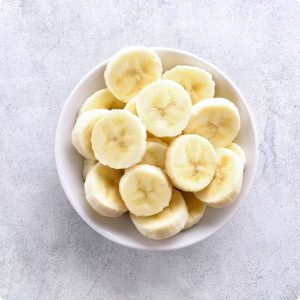
Bananas – a simple and tasty way to boost natural hydration with potassium.
Conclusion
Natural hydration is about balance—water, minerals, and small habits that fit into daily life. By combining traditional wisdom with modern nutrition, you can support energy, focus, and well-being all year.
💬 Do you have a favorite tea, broth, or homemade recipe that helps you stay hydrated? Share your ideas—I’d love to hear them!
You might also like:
Detoxification of the body, how to do it right?
Holistic Approaches to Wellness: Integrating Mind, Body, and Spirit
Fire Cider Recipe and Benefits: A Warming Winter Tonic
Thanks for reading! Stay connected with us on Facebook for the latest updates, Instagram for beautiful snapshots and behind-the-scenes content, and YouTube for meditation, calming videos, nature sceneries, and healthy cooking videos. Join our Health and Nature Life community and let’s journey together towards a healthier, more natural lifestyle!