
Introduction
From our grandparents’ pantries to today’s return to slow living, preserving cooked meals has always been both practical and comforting. Having jars or packs of ready-made food at home means more than just saving time – it’s security, self-sufficiency, and control over what goes into your meals.
Whether you’re tired, unwell, or simply too busy to cook, opening a jar of homemade goulash or reheating a preserved soup is like a gift to your future self.
If you enjoy preparing your meals the traditional way, you might like my article on home cooking from scratch, which pairs beautifully with safe home food preservation.
1) Methods for Preserving Cooked Meals
There are several ways to extend the shelf life of cooked dishes outside the fridge or freezer:
-
Water-bath canning – traditional sterilization at ~100 °C; suitable for acidic foods.
-
Pressure canning – higher temperatures under pressure; the only safe method for meat and stews.
-
Freeze drying (home freeze dryer) – removes water while retaining nutrients and flavor.
-
Dehydrating – air or electric drying for soups, veggies, or mixes.
-
Fermentation – naturally preserved bases.
-
Preserving in fat/oil (confit, pâtés) – a rich, traditional method.
-
Freezing – convenient when power and freezer space are available.
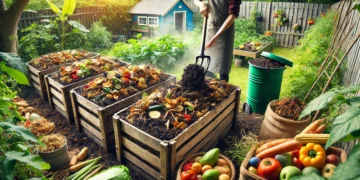
If you prefer knowing exactly where your ingredients come from, my article on growing your own food offers simple tips for producing your own fresh harvests.
2) Quick Home Canning (Simple Hot-Fill Method)
This simple method is widely used in Central Europe. It requires no special equipment.
Step-by-step:
-
Prepare clean jars and lids. Size is up to you.
-
I often use 0.5–0.7 L jars, enough for about two portions.
-
Smaller jars are great for single servings of broth or soup, which are perfect for work or camping.
-
-
Sterilize jars (boiling water or oven at 100 °C for ~10 minutes).

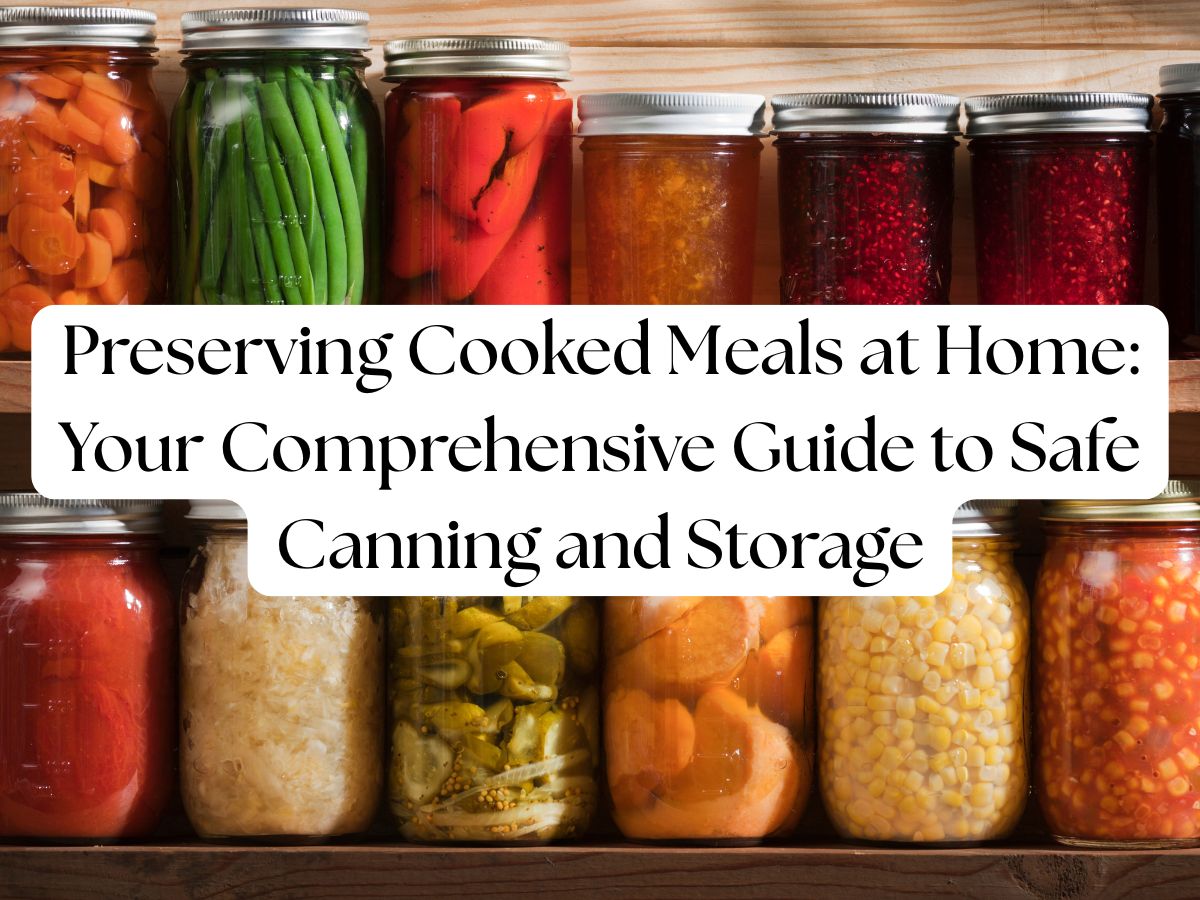
For generations, preserving cooked meals has been a symbol of care and self-sufficiency — a timeless tradition passed down through families. -
Cook your meal (stew, broth, soup).
-
Pour hot food directly into jars.
-
Wipe rims clean.
-
Seal and let cool. The lid should pull inward as it cools.

Advantages: quick, easy, no expensive equipment.
Drawbacks: limited shelf life (3–6 months), not safe for meat-heavy foods long-term.
Botulism Warning
Clostridium botulinum can grow in low-acid, oxygen-free environments. Reduce risk by:
-
boiling food thoroughly before filling jars,
-
choosing acidic bases when possible (tomato, vinegar),
-
storing cool and dark,
-
using pressure canning for meats and low-acid foods.
Reusing vs. New Jars
I like to recycle store-bought jars (pickles, sauces). It works well, but there are risks:
-
If a lid was bent during opening, it may not seal again.
-
A good seal = lid pulled inward. If not, refrigerate and consume quickly.
-
For maximum safety, use new jars and lids designed for canning.
3) Safe Traditional Canning Methods
Water-Bath Canning
-
Works by heating jars in boiling water (~100 °C).
-
Suitable only for acidic foods like tomato sauces, chutneys, or fruit-based dishes.
Pressure Canning
-
Uses high pressure and temperatures (116–121 °C).
-
The only safe method for stews, meat, beans, and broths.
-
Shelf life: 1–2 years.
Recipe Example: Pressure-Canned Beef Stew
-
Cube meat and vegetables; pre-cook lightly for flavor.
-
Fill jars about 2/3 full.
-
Process in a pressure canner for 75–90 minutes (depending on jar size and altitude).
-
Cool, check seals, label, and store.
How Our Grandparents Did It
Past generations preserved meals in stoneware, baked jars in ovens, or covered meat with lard. While these methods worked, they weren’t always safe. Modern pressure canning is far more reliable.

4) What Works – and What Doesn’t
Best for canning: stews, soups, broths, beans, and meat in juices.
Avoid inside the jar: pasta, rice, dumplings, cream sauces, and flour-thickened meals.
👉 Tip: Preserve the base only and thicken later when reheating.
Semi-Finished Bases Save Time
It can be canned with meat and broth without starch or cream. Add roux, cream, or pasta when serving. Safer jars, longer shelf life, more versatile meals.
Personal Note:
From my own experience, it is possible to can fully cooked meals (as long as they don’t contain cream). These are perfectly fine for short-term storage — I usually keep them for about 1–2 months. They might last longer, but I personally don’t take the risk. If you decide to can complete meals with all ingredients included, I recommend consuming them within 1 month for best safety and taste.
5) Freeze Drying at Home (Freeze Dryer Method)
Freeze drying, or lyophilization, removes water by turning ice into vapor under vacuum. Unlike regular dehydrating, it preserves flavor, texture, and up to 97% of nutrients.
Benefits:
-
Meals are extremely lightweight – perfect for backpacking and camping.
-
Rehydrate quickly with hot water.
-
Much longer shelf life (up to 25 years if stored properly).
-
Retains taste and nutritional value better than canning or dehydrating.
Drawbacks:
-
Requires a home freeze dryer machine, which can be expensive.
-
Longer processing times (24+ hours per batch).
-
Needs proper storage (Mylar bags, oxygen absorbers).
For those who travel often or want very long-term storage, a freeze dryer can be an excellent investment.
6) How to Store Canned and Freeze-Dried Foods
-
Ideal conditions: cool, dark, dry (10–18 °C).
-
Check seals: bulging lids or off smells = discard.
-
Label jars: always note content and date.
-
Freeze-dried foods: store with oxygen absorbers in Mylar bags or sealed cans. When properly packaged, shelf life can reach decades.
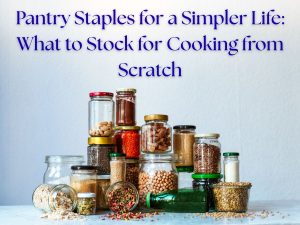
For more ideas on keeping your kitchen organised and practical, explore my guide to pantry staples for a simpler life and build a pantry that supports long-term food storage.
Shelf Life at a Glance
-
Hot-fill canning: 3–6 months.
-
Water-bath canning: 6–12 months.
-
Pressure canning: 1–2 years.
-
Freeze drying: 10–25 years (with proper storage).
7) Health & Practical Benefits
-
Control ingredients (less salt, no additives).
-
Reduce food waste.
-
Build reliable emergency supplies.
-
Enjoy homemade meals anytime with minimal effort.
8) Summary & Final Tips
Preserving cooked meals combines tradition and practicality.
-
Quick canning is simple but short-term.
-
Water-bath and pressure canning are safe, proven long-term methods.
-
Freeze drying provides the best lightweight and nutrient-preserving option for serious meal prep or travel.
Keep a canning diary to track dates and rotation.

What about you? Do you preserve cooked meals at home? Which recipes work best for you, and have you tried freeze-drying? Share your tips in the comments – your experience may inspire others!
Thanks for reading! Stay connected with us on Facebook for the latest updates, Instagram for beautiful snapshots and behind-the-scenes content, and YouTube for meditation, calming videos, nature sceneries, and healthy cooking videos. Join our Health and Nature Life community and let’s journey together towards a healthier, more natural lifestyle!