
Introduction
Pantry staples are the foundation of a simpler, more self-sufficient life—helping you cook real food from scratch, reduce waste, and feel grounded in your kitchen.
A well-stocked pantry is more than just a convenience—it’s the beating heart of a self-sufficient, from-scratch lifestyle. Before modern supermarkets, people everywhere relied on pantry staples to survive, thrive, and create nourishing meals from very little. These basics were passed down through generations, shaped by necessity, climate, and creativity.
In this guide, we’ll walk through pantry staples that support a simpler way of living—whether you’re living in a tiny flat, on a farm, or traveling light.
Why Traditional Pantry Staples Still Matter
Before we dive into the list, it’s worth understanding why these items are so important.
-
✅ They don’t rely on electricity or modern appliances
-
✅ They let you cook, preserve, and nourish from scratch
-
✅ They’re affordable, long-lasting, and versatile
-
✅ They reduce dependency on store-bought processed food
-
✅ They support a rhythm of life that’s slower, grounded, and intentional
In a world that often pushes for speed and convenience, pantry staples are a quiet form of resistance, reminding us to slow down and live with purpose.
1. Grains, Beans & Pulses (Dried)
Across the globe, dried grains and legumes have long been food staples.
In rural India, it’s lentils. In the Andes, quinoa. In the Middle East, chickpeas. In Eastern Europe, buckwheat and barley are. These foods are universal, and they last for months or years if stored dry and protected from pests.
Good traditional pantry grains & legumes:
-
Rice (white lasts longer, brown offers more nutrition)
-
Lentils (red cook quickly, brown hold shape)
-
Chickpeas, black beans, navy beans
-
Oats, millet, buckwheat, barley
-
Flour: whole wheat, rye, spelt, or local grains

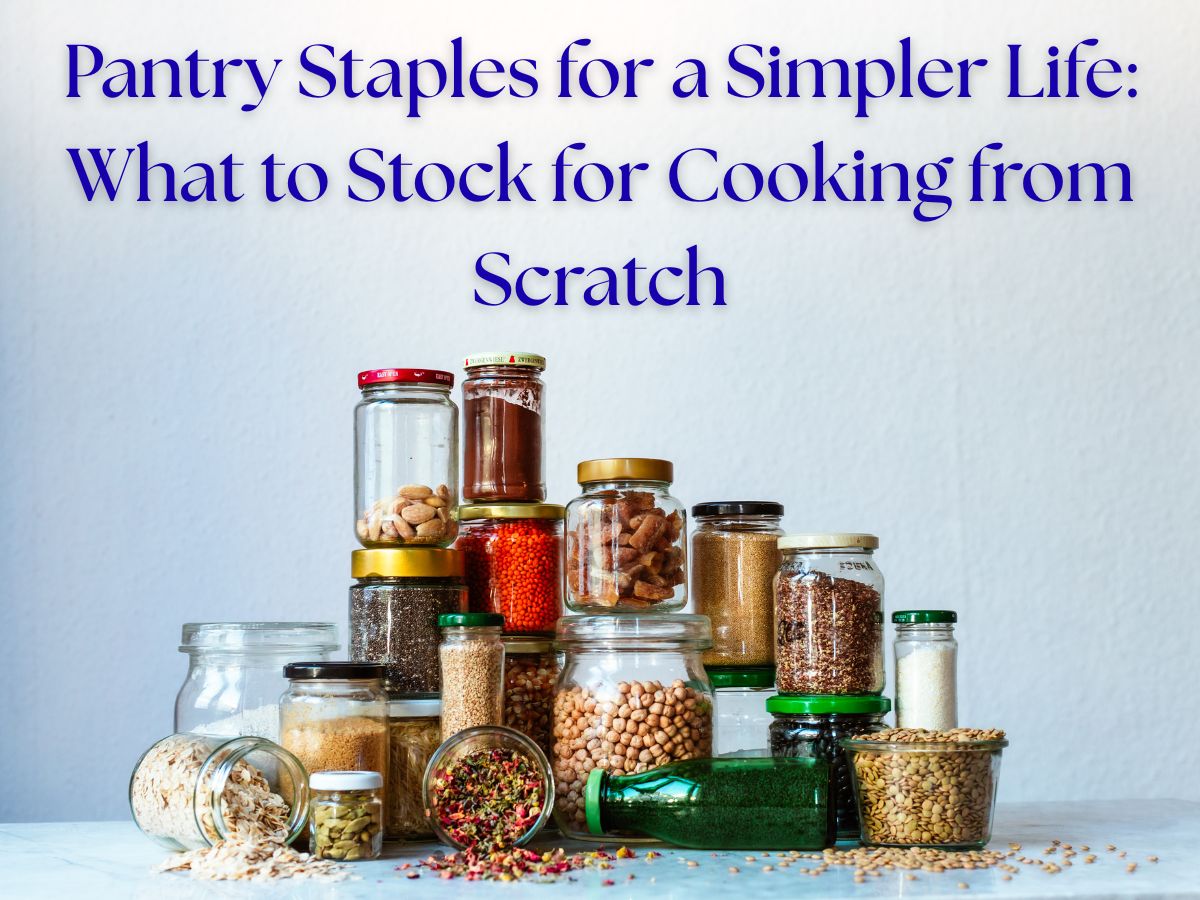
Dried grains and legumes: pantry staples that last months when stored properly.

What to make: flatbreads, porridges, stews, dumplings, homemade pasta
Storage tip: Use cloth bags inside sealed containers or glass jars. Keep a bay leaf inside to repel bugs naturally.
2. Traditional Cooking Fats
Fats were once precious and carefully preserved. Today, many homes rely on supermarket oils, but you can stock—and even render—fats that are both nutritious and traditional.
Stock-worthy fats:
-
Lard or tallow (from pork or beef, great for frying and baking)
-
Butter (can be made shelf-stable by turning it into ghee)
-
Olive oil (for low-temp cooking and raw use)
-
Coconut oil (naturally shelf-stable, especially in warm climates)
In cold regions, people have long used animal fat for cooking and preserving meat. In coastal zones, coconut and palm oils were essential. These fats store well and have multiple uses beyond the kitchen, including balm-making or waterproofing.
3. Salt, Vinegar & Natural Preservers
Traditional food didn’t last through winter without natural preservatives.
Must-haves:
-
Sea salt or coarse rock salt (for fermenting and preserving)
-
Apple cider vinegar (helps digestion, preserves fruits and vegetables)
-
White vinegar (used for cleaning and preserving)
-
Honey (one of the oldest preservatives in history)
-
Dried fruits (dates, raisins, or apricots as sweeteners)
-
Citrus peel or juice (can be dried or preserved in salt)
Use these to make pickles, preserves, ferments, oxymels, cordials, and homemade cleaning solutions.
You may also like: Minimalist Living: Simplifying Your Life for Better Health

4. Fermenting & Baking Essentials
Fermentation and baking are pillars of homemade life. A pantry ready for either means freedom from store-bought bread, yogurt, and sauces.
What to stock:
-
Sourdough starter (flour + water = natural yeast)
-
Wheat or rye flour (stone ground is best)
-
Starter cultures (kombucha SCOBY, kefir grains)
-
Salt and water (the only things you need for fermented vegetables)
-
Cheesecloth, jars, crocks, or earthen pots
Traditional households used wild fermentation long before refrigeration. Ferments like sauerkraut, kimchi, kvass, or yogurt were both nutritious and shelf-stable.
Explore: How to Grow Oyster Mushrooms at Home: A Simple Guide
5. Preserved & Home-Canned Goods
Preserving food at home is one of the most satisfying skills, and it helps you eat seasonally all year round.
Suggested preserved items:
-
Canned tomatoes, carrots, or beans
-
Salted or pressure-canned meats
-
Pickled cucumbers, onions, cabbage
-
Jams, chutneys, fruit compotes
-
Herbal vinegars, syrups, or tinctures
Many of these can be water-bath canned or lacto-fermented, depending on your resources. What matters most is clean storage and careful labeling.
6. Nuts, Seeds & Homemade Milks
There’s no need for store-bought almond milk packed in tetra-paks. If you keep whole nuts and seeds, you can make your own fresh plant-based milks, flours, or spreads.

Staples to include:
-
Almonds, sunflower seeds, flax, sesame
-
Pumpkin seeds (pepitas), chia, walnuts
-
Nut butters (only salt and oil added if buying)
You can blend and strain them with water to make drinks, or grind them into flours for baking.
7. Root Cellar Pantry Staples (Even Without a Cellar)
Root vegetables were winter lifelines. You don’t need a full cellar—a cool, dark cupboard works if you store them well.
Long-lasting basics:
-
Onions, garlic, and shallots
-
Potatoes, sweet potatoes, yams
-
Beets, carrots, turnips, radishes
-
Squash, pumpkin
-
Ginger and turmeric (fresh or dried)
Wrap in newspaper, store in sand or sawdust, or keep in crates with good airflow.
8. Natural Cleaners and Multi-Purpose Pantry Staples
Traditional homes used what they had, not plastic bottles filled with synthetic chemicals.
Useful cleaning staples:
-
Vinegar (deodorizing, sanitizing, degreasing)
-
Baking soda (abrasive, deodorizer, toothpaste base)
-
Salt and lemon (cleaning copper, removing stains)
-
Ash or soap nuts (for natural detergent)
Final Thoughts
You don’t need a big budget, a huge kitchen, or even electricity to live well.
All you need is:
-
Some airtight jars or reused containers
-
A list of basics that support from-scratch living
-
Time and patience to prepare, store, and rotate your ingredients
-
And most importantly… a willingness to learn by doing
This kind of pantry isn’t Instagram-perfect.
It’s a little dusty, a little creative, and always full of potential.
It brings us back to the idea that food—and life—doesn’t need to be fast, polished, or complicated.
Just honest, thoughtful, and real.
As you build a well-organised pantry, you’ll also benefit from reading my guide on preserving cooked meals at home, which explains safe canning and storage for your extra-prepared meals.
🧭 What’s Next?
👉 “Home Cooking from Scratch: A Step-by-Step Guide”
— Simple traditional recipes using pantry staples.
Thanks for reading! Stay connected with us on Facebook for the latest updates, Instagram for beautiful snapshots and behind-the-scenes content, and YouTube for meditation, calming videos, nature sceneries, and healthy cooking videos. Join our Health and Nature Life community and let’s journey together towards a healthier, more natural lifestyle!